What is monitoring? Why is it important?
1 juillet 2026


When a digital project is launched, it generally addresses a specific need.
An organization may want to automate certain tasks, improve its customer service, centralize its data, or offer a new online service. The solution developed then addresses a well-defined reality. But that reality changes.
User needs change. Organizations grow. Technologies evolve. Legal requirements change. New risks emerge.
A platform that perfectly meets today’s needs may become less suitable in a few years if it isn’t monitored and adjusted over time.
That’s where monitoring comes in.
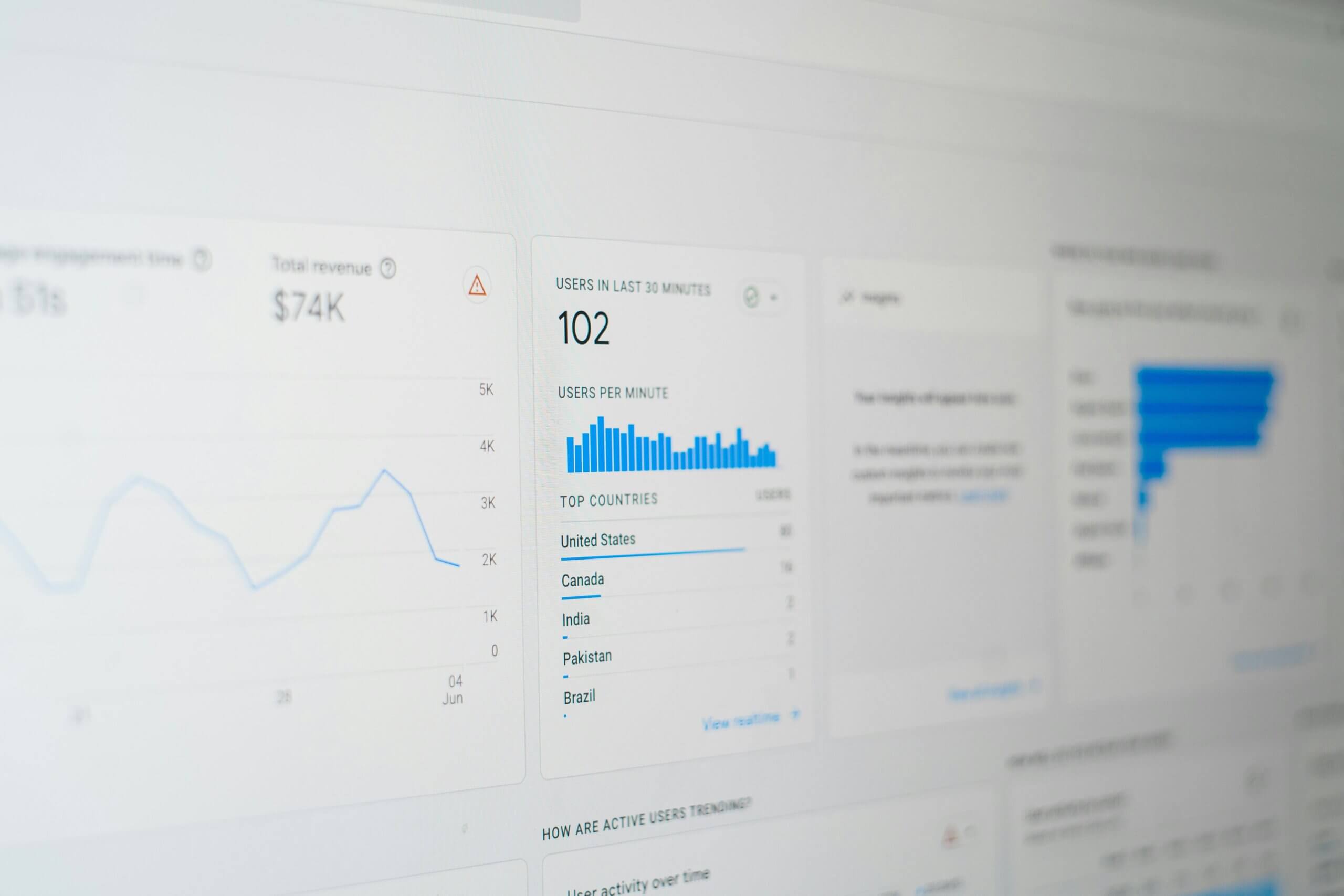
1. Monitoring isn’t just about tracking bugs
When people hear the term “monitoring,” many immediately think of technical monitoring:
- checking that the website is working;
- detecting errors;
- monitoring performance;
- receiving an alert when a service goes down.
These elements are indeed important. However, in the reality of a digital project, monitoring goes much further.
It involves regularly observing a project’s progress to ensure that it continues to meet the organization’s needs.
In other words: Is the solution that was developed still the right one today?
2. Needs evolve along with the organization
Let’s take a simple example. A company starts out with about ten employees. It commissions the development of in-house software to manage certain operations. At first, everything works perfectly.
A few years later:
- the team has doubled in size;
- new departments have been added;
- new processes have been implemented;
- more data needs to be processed;
- new partners are using the platform.
The solution originally developed met the needs of the time, but those needs have evolved.
Without monitoring, the platform can gradually become:
- more difficult to use;
- less efficient;
- more expensive to maintain;
- an obstacle to growth.
Monitoring helps identify these changes before they become major problems.
3. Technologies are evolving as well
The digital landscape is changing rapidly. Technologies that were considered modern just a few years ago may gradually become less suitable.
For example:
- some software libraries are no longer maintained;
- certain languages or tools are becoming less popular;
- new security standards are emerging;
- new practices are emerging.
This does not mean that a platform needs to be constantly rebuilt. However, it remains important to know whether certain components are nearing the end of their lifecycle or require a strategic update.
Monitoring thus helps maintain a long-term view of a project’s technological health.
4. Legal requirements are also changing
Organizations must also navigate a constantly evolving regulatory environment. These include, in particular:
- Law 25 in Quebec;
privacy requirements; - organizations’ internal policies;
- requirements from funding agencies;
- new regulations surrounding artificial intelligence.
A solution that is compliant at launch may require certain adjustments a few years later.
Monitoring helps identify these changes and anticipate the necessary adjustments.
5. Understanding how users actually use the platform
Users don’t always use a platform the way we originally envisioned. Some features are very popular. Others are rarely used. New needs sometimes emerge after just a few months.
Monitoring helps answer questions such as:
- Which features are used most often?
- Where do users encounter difficulties?
- Which processes take the most time?
- Which needs come up regularly?
This information helps us make better decisions about the project’s evolution.
6. Prevent rather than react
One of the main advantages of monitoring is the ability to take action before a situation becomes critical.
For example:
- detecting a drop in performance before it affects users;
- identifying a security risk before an incident occurs;
- anticipating a technological change before it becomes urgent;
- adapting the platform before it limits the organization’s growth.
In most cases, adjustments made gradually are less costly than a complete overhaul carried out under pressure.
7. Monitoring as a form of support
Monitoring is therefore not limited to dashboards or technical metrics. It also provides a source of support that allows you to take a step back and assess the project’s progress.
Over time, the needs of the organization and its users become clearer. This understanding provides an external perspective on:
- future priorities;
- opportunities for improvement;
- potential risks;
- new technologies;
- regulatory changes;
- growth strategies.
The goal is not to evolve a platform simply because a new technology exists. Rather, it is about determining when an evolution is truly relevant, why it is necessary, and which approach is most appropriate.
This relationship of trust thus enables organizations to make more informed decisions and avoid certain pitfalls frequently encountered in digital projects.
Further reading
Monitoring covers several areas, including system monitoring, software reliability, and application maintenance. If you’d like to learn more about this topic, here are some helpful resources:
- Google – Site Reliability Engineering (SRE) : a practical guide to understanding the principles of system monitoring, reliability, and management.
- Google – Monitoring Distributed Systems : a guide dedicated to the principles and best practices of monitoring distributed systems.
- IEEE Computer Society – Software Engineering : resources to gain a deeper understanding of software engineering and maintenance practices.
- Canadian Cybersecurity Center – Cybersecurity Advice : practical resources on managing and securing digital environments.
- Quebec Access to Information Commission – Law 25 : to learn more about privacy obligations in Quebec.
This article was written in collaboration with the FJNR team and edited by Noël Rignon.